Indigenous Americans frequently included juniper berries to food dishes as well as grains like flour for a hint of flavor. Deer and other meat was often cooked with Juniper berries. They were prepared different methods by various tribes yet a few of the preparation approaches consist of drying out, soaking, mashing, or just eating them raw.
How fast do eastern red cedars grow?
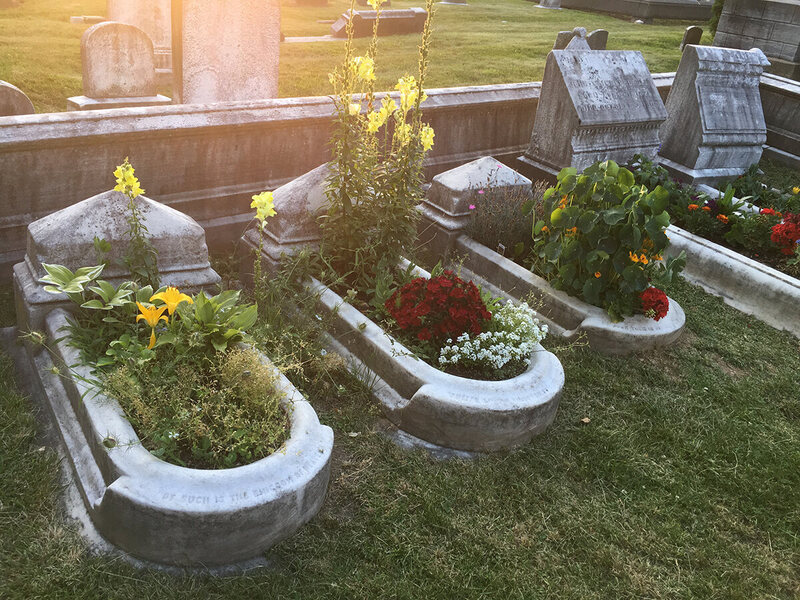
The Red Cedar is not really a Cedar but is actually a juniper. It has a medium growth rate of 12-24” per year with sticky foliage that is a dull green from spring to fall, and in the winter can be green or turn brown or purple.
Specimen Tree Spacing
What can eastern red cedar be used for?
Eastern red cedar is a tree. The wood, berries, and leaves are used for medicine. People take Eastern red cedar for cough, bronchitis, joint pain (rheumatism), water retention, and flatulence. They also take it to improve appetite and digestion, and as a treatment for fungal infections and worms.
Different ranges planted with each other in masses brighten up unethical locations. Epimedium grandiflora (diocesan's hat) is a low-growing groundcover that can grow well under cedar trees.
How do red cedar trees grow?
Red cedars can also be propagated via cuttings. Cuttings should be taken in late fall, winter or spring when the tree is dormant and the sap has slowed. Try to take the cutting in the early morning. To grow a cedar from a cutting, you will need a 3- to 6-inch piece of current year's growth.
Division of Farming plant hardiness areas 2 via 9, reaching 40 to 50 feet high. It places on about 24 inches of new growth annually as well as lives much more than 150 years. The tree is available in bare root type during the very early spring. Western red cedar is sometimes called an 'arborvitae' which is Latin for 'tree of life', because the evergreen foliage lives with no clearly visible buds.
- Its vegetation turns greenish-yellow or brownish in the autumn and winter.
- Eastern red cedar (Juniperus virginiana) reaches elevations of 40 to 50 feet as well as has a spread https://issuu.com/sloganox0m/docs/322777 of 8 to 15 feet, but is often rather smaller in cultivation.
- The trunk is covered in furrowed reddish-brown bark that turns grey as the tree develops.
- It expands in between 50 and 70 feet tall with a 25-foot spread in growing, but wild trees can reach elevations click here of 200 feet.
- Western red cedar (Thuja plicata) has a natural cone-shaped shape.
Star-like blossoms bloom on curving racemes in shades of pink, white, yellow or red, depending on variety. The foliage on some cultivars can be much more attractive than the blossoms, with a bronze or even purple color. Epimediums blossoms more prolifically with periodic water.
Cedar is a renewable energy-- When it comes to environmental performance, natural wood is superior to artificial products in every method. Unlike brick, concrete, and compounds, Real Cedar is renewable and also biodegradable. The Western Red Cedar we offer is grown in taken care of forests based on regulated harvests and also reforestation programs. The general shape of Eastern Red Cedar is one more great way to differentiate it from various other junipers as well as evergreens.
When used to distinctive surfaces, they can be utilized on both smooth and also textured boards but soak up far better and last much longer. They do contain pigments that add color-- consisting of cedar tones. If from damage caused by ultraviolet rays, they will certainly increase the service life of your house siding and also protect.